

Antu Brake Hose Co., Ltd
Hebei China 053000
Tel: 86-18903185773
WhatsApp:8618903185773
Email: nina@brakelinefactory.com
As an engineering-driven brake hose manufacturer, distributor or tuner, you need product pages and blog content that attract procurement searches and convert visitors into inquiries. This guide explains the structure, performance benefits and buyer-focused checklist for aftermarket brake line assemblies — including stainless steel braided and nylon brake hose constructions, common fittings (AN, banjo, metric), pressure testing and OEM/custom options.
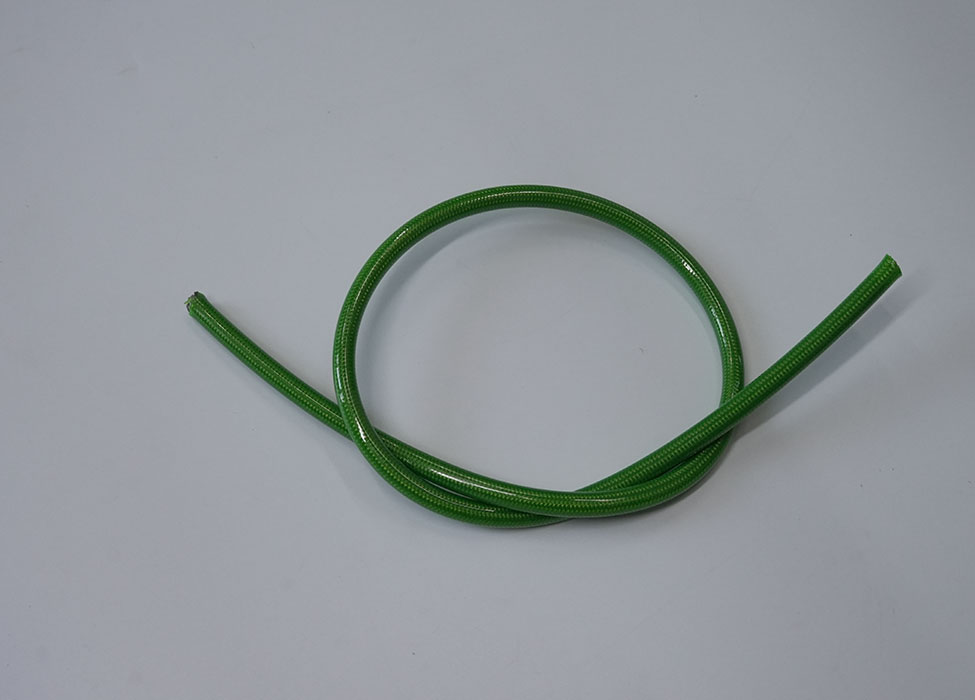
A performance brake line assembly is a complete hydraulic hose system pre-fitted with end fittings to carry brake fluid from the master cylinder to calipers or wheel cylinders. Typical aftermarket assemblies are built with a compatible inner tube, reinforcement (stainless braid or nylon), and an outer protective jacket — then terminated with crimped or swaged fittings to form a ready-to-install braided brake line kit.
Inner tube materials must be compatible with DOT3 / DOT4 / DOT5.1 fluids; common inner materials include PTFE-lined cores (for high-temp racing) or specially formulated rubber/thermoplastic for cost-effective aftermarket assemblies.
PVC / nylon overcoats, PTFE sleeving, or optional stainless-steel outer braids provide UV, oil and abrasion protection and support product differentiation for your distribution channels.
Common fittings: banjo (caliper connections), AN (performance plumbing), and metric threaded fittings (OEM replacements). Termination methods include precision crimping and swaging — both must be validated by QC testing.
Reinforced assemblies reduce hose expansion under pressure; less expansion = firmer pedal and more consistent force transmission to the caliper.
Quality assemblies are designed with large safety margins (see Specification & Testing below) and perform reliably under repeated heavy braking.
Stainless braid and robust outer jackets resist abrasion, heat and chemical exposure — reducing warranty claims and returns for distributors.
Procurement teams and engineers commonly request these technical items when sourcing aftermarket brake lines:
Aftermarket brake line assemblies are used across many vehicle types:
Buyers searching terms like custom brake line manufacturer, bulk brake hose supplier or braided brake line kit expect flexible options:
Exact hose lengths, preformed routing, and kink-resistant layouts for drop-in fitment.
Banjo bolts (specify bolt diameter & thread pitch), AN sizes, or OEM metric fittings — including M/F adapters when needed.
Private-label packaging, part-number printing on hoses, color jackets, and kit-level assembly instructions for distributors.
Recommend periodic visual inspections for abrasion, corrosion and fitting leaks — especially after off-road use or heavy track sessions.
A: Stainless braided hoses offer superior abrasion and pressure resistance; nylon-reinforced hoses are lighter and often more cost-effective while still improving durability over plain rubber.
A: Use banjo fittings for caliper connections where a hollow bolt is required; AN fittings are common for performance plumbing and inline connections. Always match thread pitch and bolt diameter to the vehicle component.
A: Require batch burst and leak test reports, crimp pull-off data, material certificates and first-article sample approval for OEM orders.
Upgrading to a quality performance brake line assembly (stainless steel braided or properly specified nylon variants) improves pedal feel, increases reliability and reduces warranty issues for distributors. When publishing product pages or SEO articles, include technical specs (burst pressure, temperature range), clear customization options and downloadable test reports — these elements increase visibility for procurement searches and improve conversion.
Ready to list or source brake line assemblies? Provide vehicle model, required hose lengths, desired fittings (AN / banjo / metric), MOQ and any certification needs — and request a sample with burst & leak test reports to accelerate approval.
Instant Chat Support
+8613663185773
nina@brakelinefactory.com
Get the latest information

Scan the code to follow
Return to the top of the page