

A brake hose may look like a simple flexible tube, but it performs an important hydraulic function. It must transfer brake fluid pressure while also allowing movement caused by steering, suspension and vehicle vibration. When the hose becomes aged, damaged, incorrectly installed or unsuitable for the application, the change may first appear as a difference in brake feel. Repeated exposure to heat, moisture, chemicals, road debris and mechanical movement can gradually affect the outer surface of a hose. Small cracks should not be ignored, especially when they appear around bends, fittings or areas exposed to repeated movement. A visible bulge can indicate deterioration or structural damage. Because a brake hose operates under hydraulic pressure, any abnormal swelling should be treated as a reason for inspection and possible replacement. A brake hose can develop internal problems even when the external appearance does not look serious. In some cases, internal deterioration can restrict fluid movement and contribute to abnormal braking behavior. Routing is particularly important on motorcycles because the front brake hose must accommodate full steering movement. The hose should not become stretched, twisted or sharply bent when the handlebar moves from one steering lock to the other. Brake steel lines are designed for rigid sections of hydraulic brake systems. They are useful where a fixed line is preferred and can be combined with flexible brake hoses in areas requiring movement. For bulk orders, the line diameter, material, connection specification and application should be confirmed before production. Rubber hose is a traditional solution for flexible brake connections. Its flexibility makes it practical for motorcycles, cars and other vehicles where the hose must move during operation. For OEM replacement projects, rubber compound, reinforcement, operating temperature and fitting specifications should be selected according to the actual application. Teflon tubing provides a different material option for hydraulic applications requiring specific chemical and temperature resistance characteristics. When used in a brake hose assembly, the tubing specification should be matched with the reinforcement and end fittings. Nylon brake hose can be used where lightweight construction and flexibility are important. Nylon hose specifications can be customized according to diameter, application, length and assembly requirements. These symptoms should not automatically be blamed on the brake hose because the complete hydraulic system should be inspected. However, the hose should always be included in the inspection. Check whether the hose is rubbing against the frame, wheel, fork, suspension components or other moving parts. On motorcycles, turn the handlebar fully left and right and make sure the hose does not become stretched, pinched or sharply bent. Pay particular attention to the areas around banjo fittings and other connection points. These areas experience mechanical loads and should remain secure. Use cleaning products that are compatible with the hose cover and surrounding components. Avoid aggressive chemicals that may damage the hose surface. For importers and distributors, selecting a brake hose only by outside appearance or price can create fitment problems later. A proper purchasing specification should include vehicle application, hose length, internal and external dimensions, fitting type, thread specification, fitting angle, material, reinforcement and required quantity. This information allows the manufacturer to produce a more consistent product and reduces unnecessary sample revisions. If you have an existing hose but are unsure about the material, fitting specification or construction, you can send us a drawing, sample, photos or dimensions. We can review the application and discuss suitable material and assembly options for your project. Contact our brake hose manufacturer for samples, OEM development, customization and bulk orders. There is no universal replacement period. Regular inspection is more important than relying only on a fixed number of years. Replace a hose when it reaches the vehicle manufacturer's recommended service limit or when deterioration, damage or abnormal performance is found. It can. A properly designed reinforced hose may reduce unwanted hose expansion and contribute to a firmer or more consistent lever or pedal feel. The actual result depends on the entire braking system. Not necessarily. Motorcycle and automotive brake systems can use different hose lengths, fittings, routing methods and specifications. Always verify the application before installation. Not automatically. The correct choice depends on the vehicle, operating conditions, hydraulic requirements, fitting configuration and intended use. A correctly specified rubber hose can be suitable for many applications, while reinforced constructions may be preferred for specific performance or durability requirements. We supply brake hose products for OEM replacement, aftermarket modification, wholesale distribution and customized projects. Our manufacturing capabilities cover braiding, coating, crimping and brake hose assembly. Specifications can be developed according to customer drawings, samples and application requirements.How Brake Hose Condition Affects Braking Response
Common Brake Hose Problems That Can Affect Performance
Cracked or Aged Outer Cover
Bulging Under Pressure
Internal Hose Deterioration
Incorrect Hose Routing
Choosing the Right Brake Hose Construction
Brake Steel Lines for Fixed Hydraulic Sections
Rubber Hose for Flexible Applications
Teflon Tubing for Specialized Applications
Nylon Brake Hose for Lightweight Applications
Signs That a Brake Hose Needs Inspection
How to Maintain Brake Hoses in Daily Use
Keep the Hose Away From Abrasion
Check Steering Movement
Inspect Around the Fittings
Clean Carefully
Why Proper Brake Hose Selection Matters for B2B Buyers
Need a Custom Brake Hose?
Brake Hose FAQ
How often should brake hoses be replaced?
Can an upgraded brake hose improve brake feel?
Can I use the same brake hose for a motorcycle and a car?
Is a braided hose always better than a rubber hose?
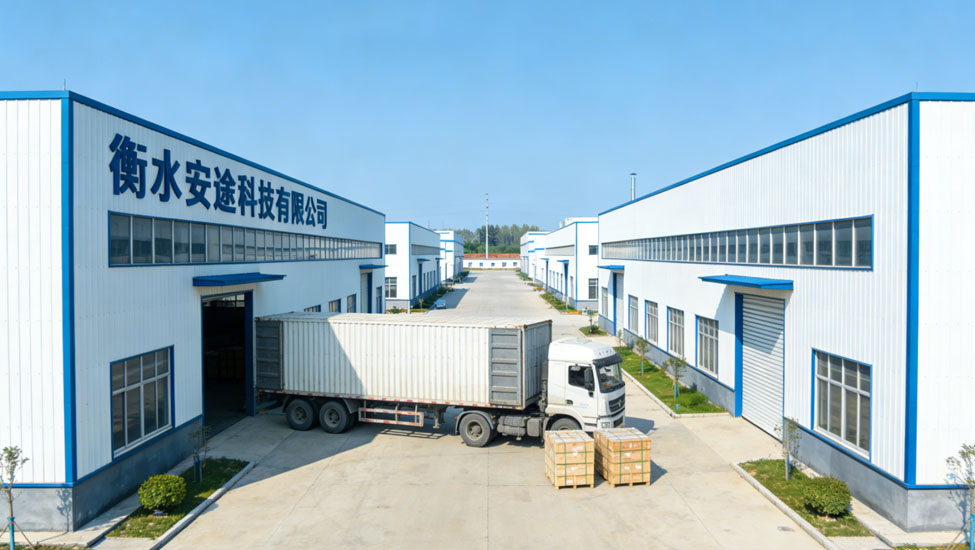
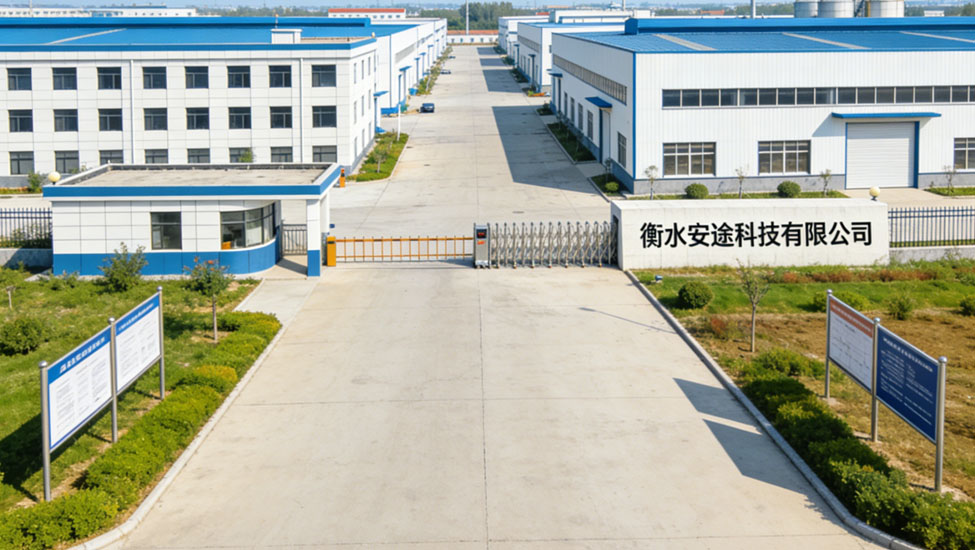
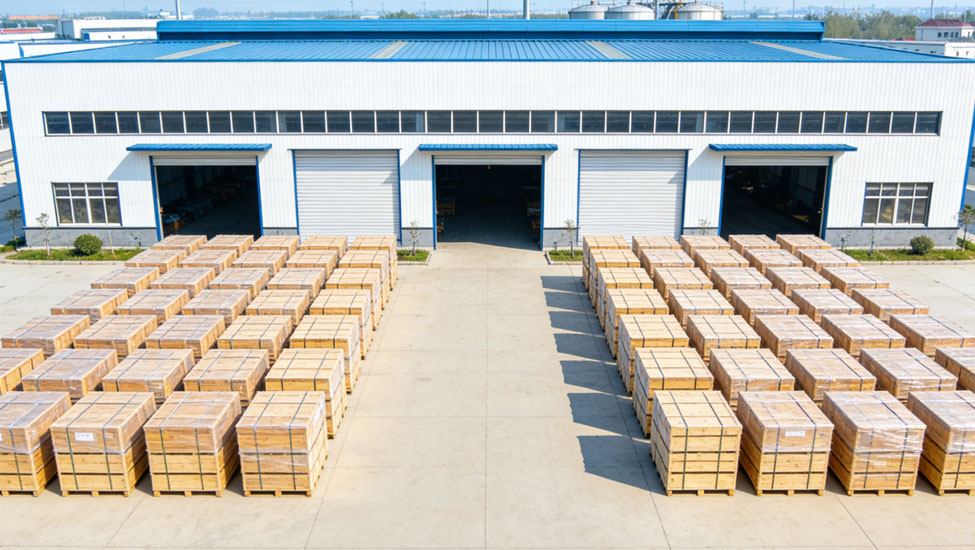
Brake Hose Product Range
Instant Chat Support
+8613663185773
nina@brakelinefactory.com
Get the latest information

Scan the code to follow
Return to the top of the page