

Upgrading brake hoses is a common modification on motorcycles and performance vehicles. But does changing the hose really make a difference? The answer depends on the original hose, the replacement construction and the condition of the entire braking system. A correctly engineered reinforced brake hose can provide better control of hose expansion under hydraulic pressure and may give the rider a more direct and consistent brake lever feel. The improvement is normally most noticeable when the original hose is old, deteriorated or not designed for the intended performance application. When the brake lever is pulled, hydraulic pressure travels through the brake fluid and hose to the caliper. A brake hose with appropriate reinforcement helps maintain its shape under pressure. This allows more of the lever input to be transmitted through the hydraulic system rather than being absorbed by unnecessary hose expansion. Some riders describe a correctly selected reinforced brake hose as providing a firmer or more direct brake lever response. However, brake feel is affected by many components, including the master cylinder, caliper, pads, brake fluid, disc condition and bleeding quality. Modified motorcycles may use different handlebars, forks, calipers, master cylinders or routing positions from the original configuration. In these cases, the brake hose should be selected according to the modified vehicle rather than simply reusing the original hose length and fitting configuration. Brake steel lines are suitable for rigid hydraulic sections where controlled routing and fixed installation are required. They are commonly considered as part of complete brake line systems and can be combined with flexible hoses where movement is required. Rubber hose offers flexibility and remains a practical choice for many OEM and replacement brake applications. For purchasing departments, the important factors are not only price and appearance but also rubber compound, reinforcement, dimensions, pressure requirements, temperature range and fitting specifications. Teflon tubing is used in applications where the characteristics of PTFE-based materials are required. Its selection should be based on the complete brake hose assembly, including reinforcement, fittings, operating temperature and brake fluid compatibility. Nylon brake hose provides a lightweight and flexible option for selected hydraulic applications. Different specifications can be produced according to the customer's required dimensions and application. This makes nylon hose particularly useful for OEM development and customized projects. Start with the exact vehicle model, year and brake system configuration. Modified motorcycles should also provide information about aftermarket calipers, master cylinders or forks. Do not select the hose based only on the original part number when the vehicle has been modified. Measure the required routing length and consider full steering and suspension movement. Thread size, pitch, banjo specifications, fitting angle and sealing method must match the brake system. Choose rubber, PTFE/Teflon, nylon or another suitable construction according to the operating environment and required performance. Even a high-quality hose can perform poorly if it is twisted, kinked, over-stretched or routed incorrectly. Brake hose maintenance is straightforward but should be part of routine vehicle inspection. There is no universal replacement interval for every vehicle and application. Replacement decisions should consider the manufacturer's service recommendation, hose age, operating environment, mileage, heat exposure, mechanical stress and visible condition. If the hose shows cracking, leakage, swelling, severe abrasion or other structural damage, it should be professionally inspected and replaced when necessary. A correctly specified modified brake hose can be an important upgrade for certain applications, particularly when the original hose is aged or when a modified braking system requires a different length or fitting configuration. But the hose should never be considered a standalone safety upgrade. The complete braking system must be correctly matched, installed, bled and tested. No. Brake systems differ in hose length, internal construction, fitting type, thread specification, angle, routing and operating conditions. A motorcycle brake hose should be selected specifically for the motorcycle and its brake system. The same principle applies to cars, SUVs, electric vehicles and ATVs. For distributors, motorcycle parts brands, repair shops and vehicle manufacturers, we can produce brake hose solutions according to drawings, samples, photos and technical specifications. If you have an existing brake hose but do not know the exact material or fitting specification, send us the sample or clear photos together with the dimensions. We can help identify the main specifications and discuss a suitable production solution. Contact our brake hose manufacturer for OEM development, customized brake hoses, samples and wholesale orders. Service life varies according to hose material, age, heat, weather exposure, mechanical movement and installation conditions. Instead of relying on one fixed replacement period, inspect the hose regularly and follow the vehicle manufacturer's recommendations. A hose upgrade does not automatically increase the braking force of the entire system. Its main potential benefit is controlling hose deformation and providing a more consistent hydraulic response and lever feel. Brake pads, calipers, master cylinders and discs remain equally important. In many applications an appropriately specified replacement is possible, but the replacement must match the vehicle's fittings, length, routing, material requirements and brake fluid compatibility. Useful information includes vehicle model, hose length, fitting type, thread specification, fitting angle, hose material, quantity, photos and drawings. An original sample is even better for OEM or aftermarket development. Our main product range includes: We provide manufacturing support for different vehicle applications, including motorcycles, scooters, cars, SUVs, electric vehicles and ATVs. Production can be arranged according to customer samples, drawings and technical requirements. For brake hoses, a small difference in length, fitting angle or thread specification can affect installation. If you are unsure about the correct product, it is better to confirm the specification before placing a bulk order. Send us your drawing, sample, photos, dimensions or application details. We can discuss the required construction and provide a suitable quotation for your project. Contact us for customized brake hose solutions and factory-direct supply.Do Performance Brake Hoses Really Make a Difference?
What Changes When You Upgrade a Brake Hose?
More Consistent Hydraulic Response
Improved Lever or Pedal Feel
Better Suitability for Modified Vehicles
Brake Hose Materials and Their Applications
Brake Steel Lines
Rubber Hose
Teflon Tubing
Nylon Brake Hose
How to Choose a Performance Brake Hose
1. Confirm the Vehicle
2. Measure the Required Length
3. Confirm Fittings
4. Select the Correct Material
5. Check Installation
Brake Hose Maintenance After Installation
When Should a Brake Hose Be Replaced?
Is a Modified Brake Hose Really Safer?
Is One Brake Hose Suitable for Every Vehicle?
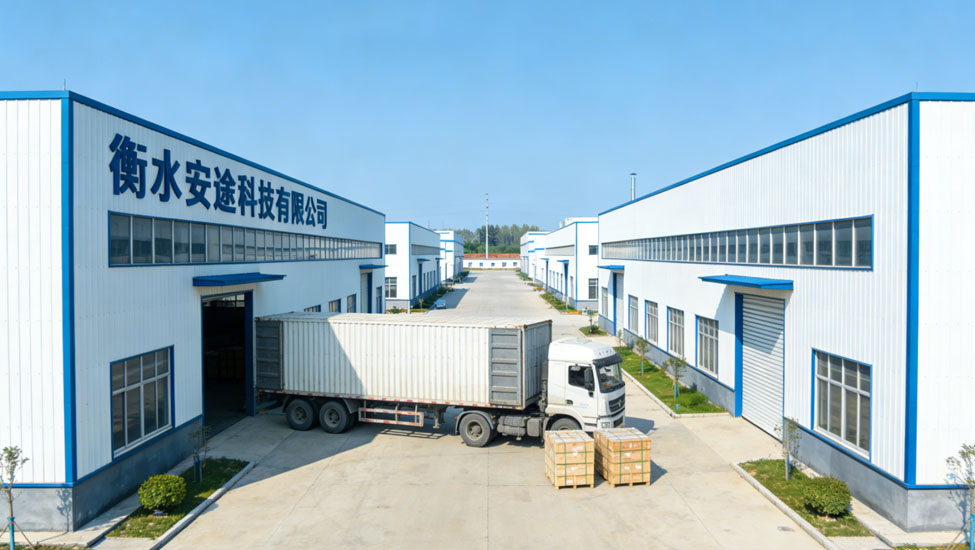
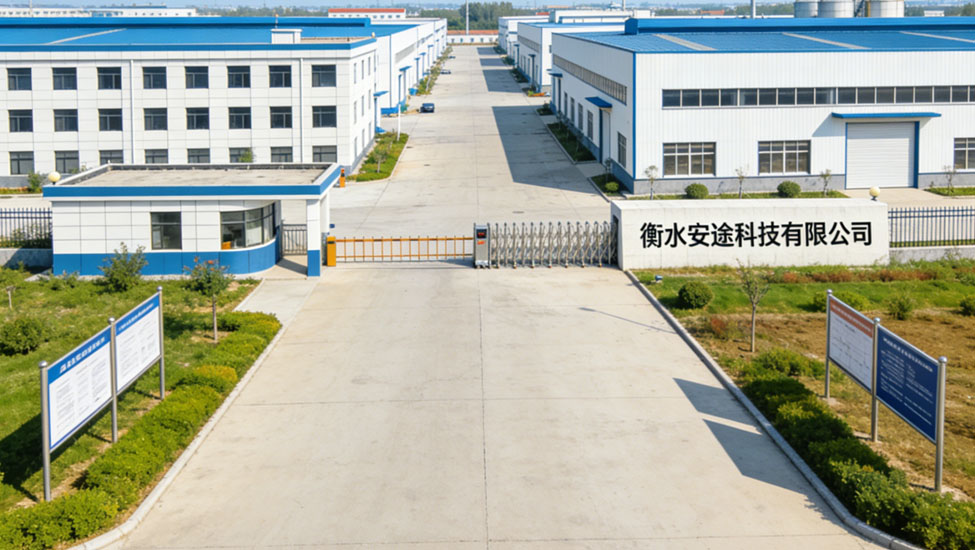
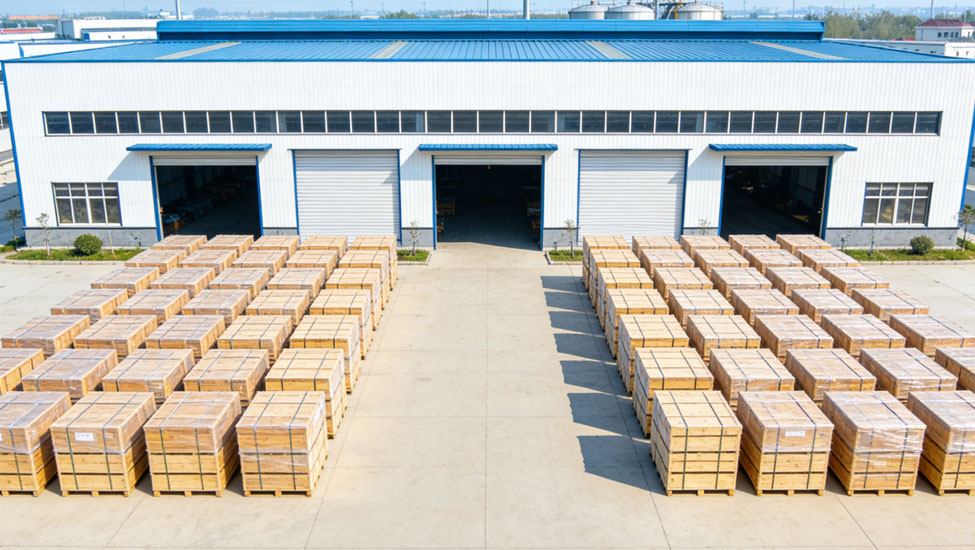
OEM and Custom Brake Hose Manufacturing
Frequently Asked Questions
How long do motorcycle brake hoses normally last?
Will a stainless or reinforced brake hose make my brakes stronger?
Can I replace my original rubber hose with a performance hose?
What information should I provide when ordering custom brake hoses?
Our Main Brake Hose Products
Talk to the Manufacturer Before Ordering
Instant Chat Support
+8613663185773
nina@brakelinefactory.com
Get the latest information

Scan the code to follow
Return to the top of the page